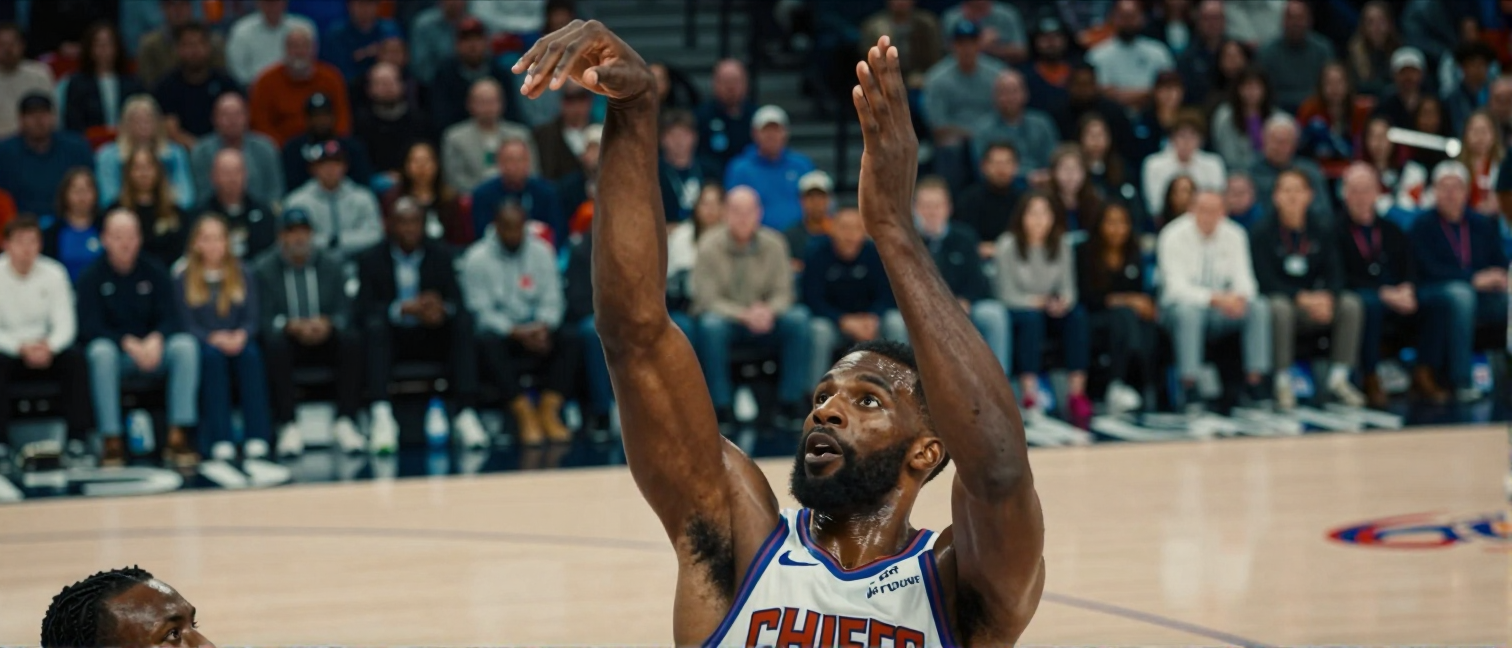
Draymond Green confronted Stephen A. Smith about his journalistic standards on the July 3 2026 episode of *The Draymond Green Show*, igniting a public dispute that pulled fellow journalist Jemele Hill into the fray.
What sparked the clash?
During the show, Green questioned Smith’s claim to journalistic integrity, pointing to recent instances where Smith relied on unnamed sources to criticize former Finals MVP Jaylen Brown after his trade to the Philadelphia 76ers. Green suggested that Smith’s approach undermines fairness and respect for players. Hill echoed Green’s concerns, adding that Smith’s tactics stray from the ethical norms expected of seasoned reporters.
How did Stephen A. Smith respond?
Smith answered on his *Straight Shooter* podcast on July 4, defending his career that spans high‑school, college and professional beats. He reminded listeners of his two‑decade tenure, saying, “You’re just gonna sit up there and listen to Draymond Green, and forget the fact that I was a beat writer… I earned the right, graduating through every step of this industry.” Smith’s tone grew defensive, implying that Green and Hill were dismissing his experience.
What did Jemele Hill say?
Hill fired back on Twitter on July 5, noting she once interned at *The Philadelphia Inquirer* while Smith wrote columns there. She clarified she never claimed more locker‑room access than Smith, countering his insinuation with, “I didn’t say I’d been in more locker rooms than you and never implied that. You swinging at ghosts, my guy.” Hill invited Smith to appear on her *Jemele Hill Is Unbothered* podcast, emphasizing she doesn’t shy away from tough conversations.
Why the debate matters for NBA coverage
The exchange highlights a growing tension between athletes who now host media platforms and traditional sports journalists. Green’s transition from Warriors forward to talk‑show host gives him a megaphone to question how stories are framed, especially when they affect player reputations. Smith’s reliance on anonymous tips raises questions about transparency in NBA reporting, a league where locker‑room access can shape narratives.
What’s next for the participants?
Smith has not announced a follow‑up episode, but his podcast audience expects a continuation. Green’s show will likely keep featuring media critiques, positioning him as a vocal advocate for player‑first storytelling. Hill, now a contributor at *The Athletic*, may schedule a joint discussion to dissect the role of “ghost sources” in modern sports journalism.
The saga underscores how NBA personalities are reshaping the media landscape, blurring lines between athlete commentary and traditional reporting. Fans are watching closely, ready to weigh in on who truly upholds the standards of fair coverage.